STEM & Play
Little Moments of Play: Activities for Birth Through Age Six
Simple invitations drawn from the app's 256-activity library, from newborn sound turns to shared pretend worlds. Find a starting point that fits your child and your day.
New Build and share your baby registry, with help after baby and thank-yous. See the registry →
Every piece of research, every practical guide, every honest observation, organized for the wild early years.
Simple invitations drawn from the app's 256-activity library, from newborn sound turns to shared pretend worlds. Find a starting point that fits your child and your day.
From your baby's first exchanges to pretend play and early friendships, here are gentle ways to support connection without rushing your child or comparing their pace.
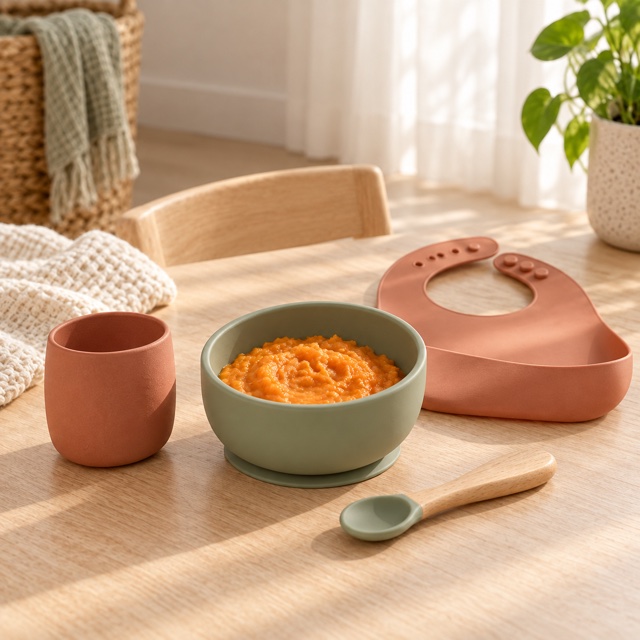
Readiness, first foods, safer textures, and a little less pressure. A practical guide to beginning solids around six months and making room for your baby's pace.

Baby sleep changes constantly in the first two years. Here is the calm, stage-by-stage rhythm I keep coming back to, from newborn wake windows to one toddler nap.
Tantrums are a developmental collision between big wants and limited skills. Here is the Montessori-inspired plan I am using to prevent what I can and stay close through the rest.
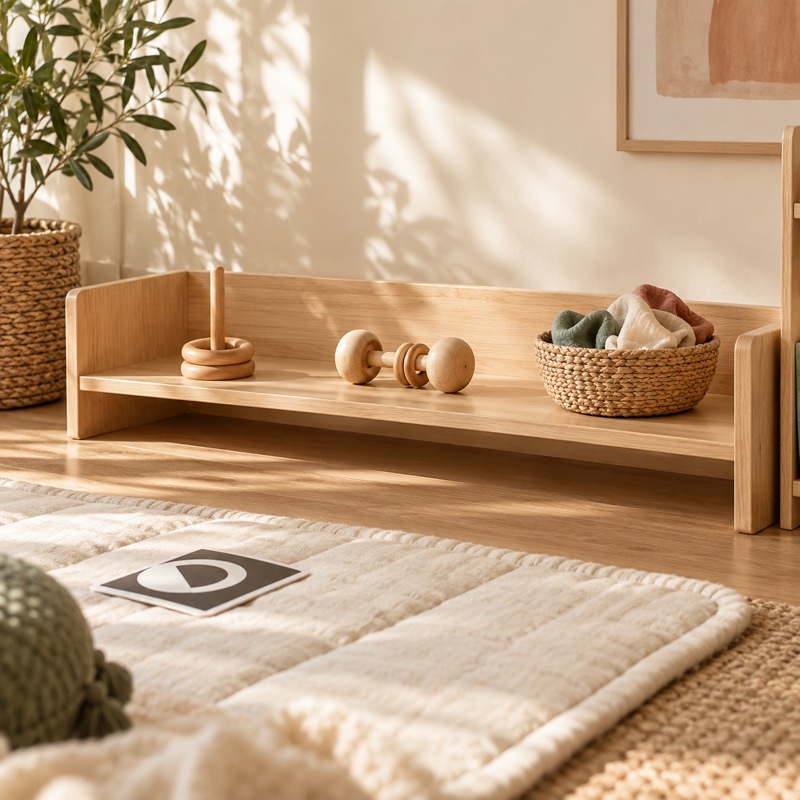
Montessori isn't a shelf of expensive wooden toys. It's a way of seeing the first two years. What the method actually asks of you, why the research backs it, and how I'm using it at home.
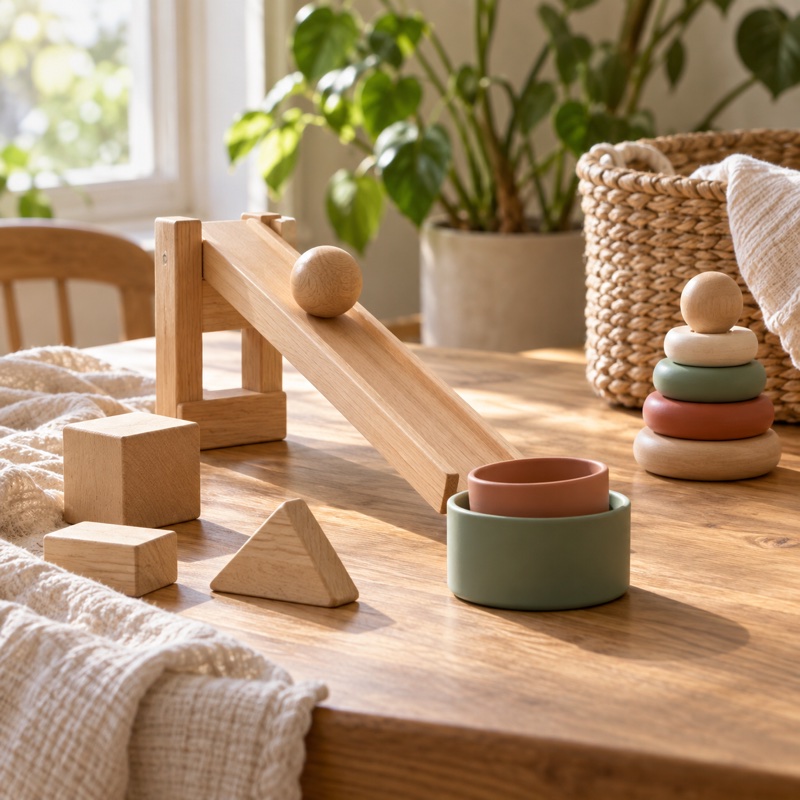
STEM for a baby isn't flashcards or screens. It's cause and effect, gravity, and counting out loud. A few of the simple activities I keep coming back to, and why they matter more than they look.
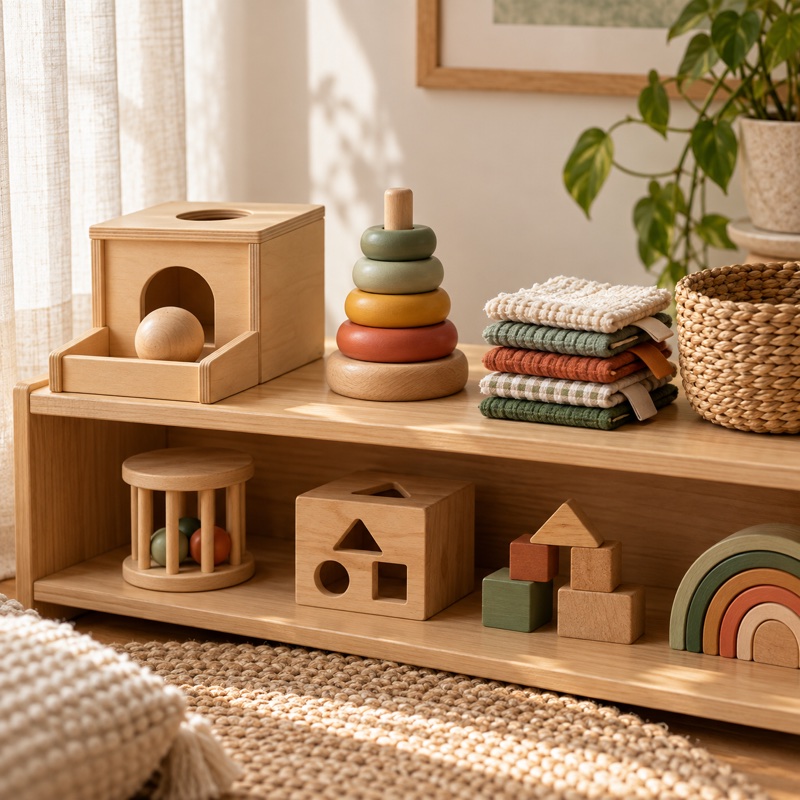
Honest notes on the toys we've bought so far: which Montessori classics are worth it, where we found affordable versions of the same idea, and which cheaper options do the same job.
The research surprised me. Development doesn't wait until babies can talk or walk. It starts the moment they're born, and the window from 0–3 months is more critical than most parents realize.

Calm prep, not panic prep. The space we are making for our baby outside the nursery, the breathing, yoga, and walks I am leaning on, and the plan I am building for his first two years.
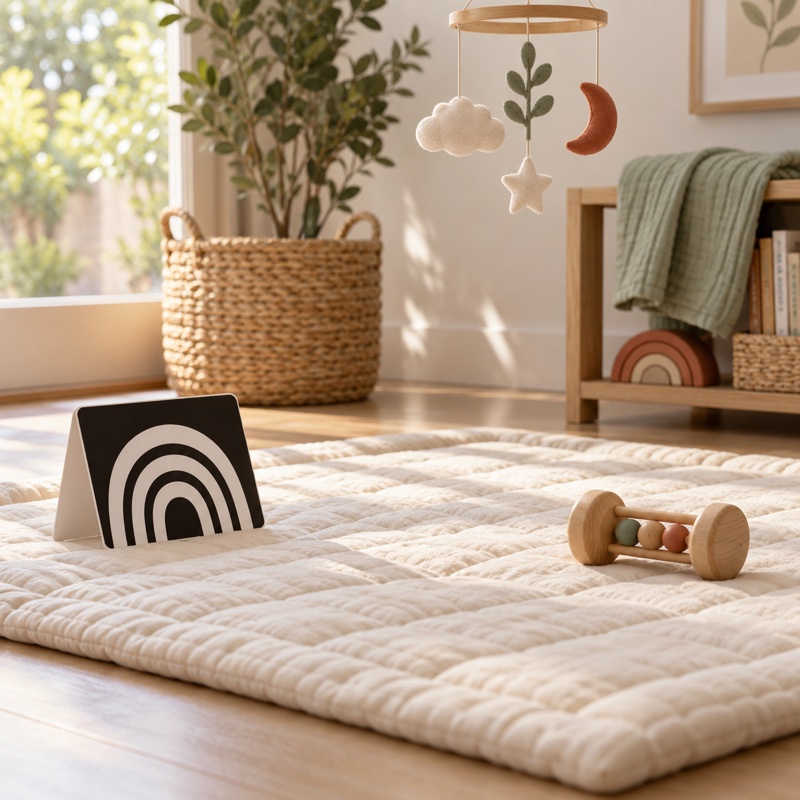
The research is clear, and the protocol is shorter than you fear. Here is what tummy time actually does for development, when to start, and the Montessori-friendly version I'm planning to use.
Download the free app to follow pregnancy, open this week’s development plan, track milestones through age six, and keep the whole day in one calm place.